
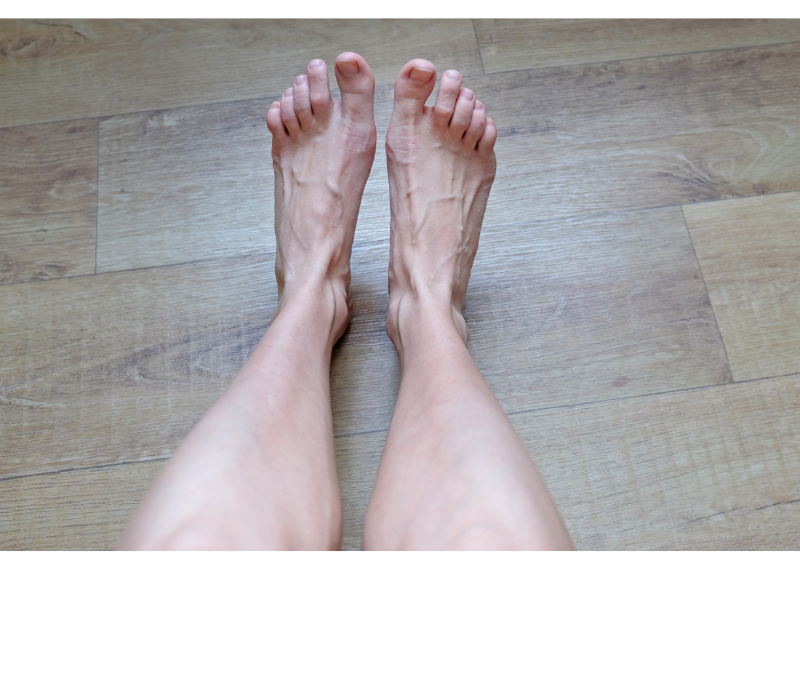
Most of the time when we talk about menopause, the focus is often on well known symptoms like hot flushes, anxiety, sleep problems, or brain fog to name a few. However, one area that doesn’t get talked about enough and has been a real eye opener for me post- menopause is the effect on your feet. Yes — menopause can affect your feet too.
If you’ve started noticing new aches, stiffness, or changes in how your shoes fit, you’re not imagining it. Hormonal shifts, especially the drop in oestrogen, can impact your bones, joints, skin, and circulation — and your feet often feel it first.
Here’s what you might notice and what you can do to keep your feet comfortable.
Why Menopause Affects Your Feet
Oestrogen helps keep bones strong, joints flexible, and skin healthy. As levels fall during menopause, several changes can happen:
- Bones can lose density
- Joints may feel stiffer
- Ligaments become less elastic
- Skin gets drier and thinner
- Circulation may change
Because your feet contain over 25 bones each and work hard every day, even small hormonal shifts can show up as discomfort or structural changes.
Common Foot Changes During Menopause
New Aches and Pains
Many women experience foot pain for the first time during menopause. Hormonal changes can increase inflammation and reduce natural cushioning in the joints, making standing or walking more uncomfortable.
Your Shoe Size Might Change
Some women notice their feet getting wider or slightly longer. As ligaments relax and arches flatten, your feet may spread more, which can change how your shoes fit.
Weaker Bones
Menopause accelerates bone loss, raising the risk of stress fractures — especially if you’re active or spend long hours on your feet.
Dry, Cracked Skin
Lower oestrogen makes it harder for skin to hold moisture. Dry feet and cracked heels are common (I never had cracked heels pre- menopause) so make sure you give these attention as they can become painful if ignored.
Swelling
Fluid retention and circulation changes can cause swelling in the feet and ankles for some women. If you suffer with Reynauds you might notice this becoming more common.
Specific Foot Problems That Can Become More Common
Menopause can increase your risk of developing certain foot conditions, especially if your footwear or activity levels put extra stress on your feet. While issues like bunions, hammertoes, and plantar fasciitis aren’t caused by menopause alone and can affect people of any age, hormonal changes during this stage can make them more likely to appear or worsen. In other words, menopause can make your feet more vulnerable — but good footwear, regular activity, and early care can go a long way in preventing serious problems.
Bunions
Bunions form when the big toe joint shifts out of alignment, creating a bony bump. Changes in foot structure and years of tight shoes can make bunions more noticeable or painful during menopause.
Hammertoes
Hammertoes happen when the smaller toes bend abnormally at the middle joint. Muscle and ligament changes can contribute to this deformity, especially when combined with narrow footwear.
Plantar Fasciitis
This condition causes sharp heel pain, especially with the first steps in the morning. Reduced elasticity in tissues and increased strain on the arch can trigger inflammation in the plantar fascia.
Metatarsalgia
Metatarsalgia is pain in the ball of the foot. As natural fat padding thins with age and hormones shift, the forefoot may absorb less shock.
Morton’s Neuroma
This involves thickened tissue around a nerve in the ball of the foot, often causing burning pain or tingling between the toes. Foot structure changes and tight shoes can increase the risk.
How to Take Care of Your Feet
The good news is that a few simple habits can protect your feet and ease discomfort.
Choose Supportive Shoes
I have had to re-think ALL my footwear but this is definitely for the better. I now wear shoes with a wide toe box and have gone down the route of barefoot trainers for fitness and gym work. I’ve never really worn heels totally avoid flip flops and similar type shoes
Keep Moving
Low-impact exercise like walking, swimming, or yoga keeps joints flexible, improves circulation, and supports bone health.
Moisturize Every Day
Use a thick foot cream after bathing to prevent dryness and cracking. Ingredients like urea or glycerin work especially well.
Support Your Bones
Make sure you’re getting enough calcium and vitamin D, and include weight-bearing exercise in your routine. Talk to your doctor if you’re concerned about bone health. I would advise every perimenopausal woman gets a dexa scan, especially if there is history of osteoporosis in the family
Don’t Ignore Pain
Ongoing foot pain isn’t something you have to live with. A podiatrist or healthcare provider can help treat problems early and prevent them from getting worse.
The Bottom Line
Menopause brings many changes, and your feet are part of that journey. Paying attention to foot health helps you stay active, mobile, and comfortable.
With the right shoes, regular movement, mobility work and good daily care, you can keep your feet strong and healthy through menopause and beyond.
Love Ginny